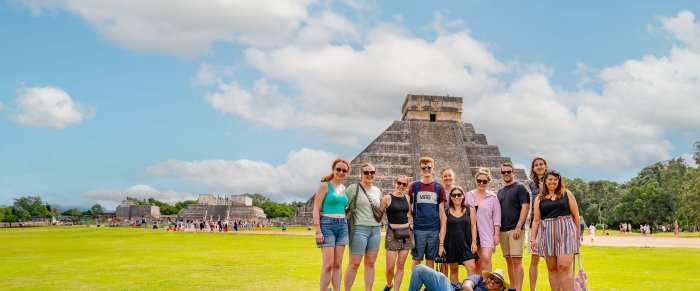
Cultural Group Tours sets the stage for this enthralling narrative, offering readers a glimpse into a story that is rich in detail and brimming with originality from the outset. From the vibrant streets of Tokyo to the ancient ruins of Machu Picchu, embark on a journey of cultural immersion and discovery unlike any other.
Cultural Group Tours

Cultural group tours are organized trips that focus on immersing participants in the traditions, history, and customs of a particular culture or region. These tours typically involve visits to significant cultural sites, interactions with local communities, and engaging in traditional activities.
Benefits of Participating in Cultural Group Tours
- Opportunity to learn about different cultures firsthand.
- Gain a deeper understanding of the world’s diversity.
- Build connections with people from different backgrounds.
- Experience authentic cultural practices and traditions.
- Broaden perspectives and foster mutual respect.
Enhancing Understanding and Appreciation of Different Cultures
Cultural group tours provide a unique opportunity for participants to step out of their comfort zones and immerse themselves in unfamiliar environments. By engaging with local communities, trying new foods, and witnessing traditional ceremonies, individuals can gain a deeper appreciation for the richness and diversity of various cultures. These experiences often lead to increased empathy, tolerance, and respect for different ways of life.
Popular Destinations for Cultural Group Tours
| Destination | Highlights |
|---|---|
| Japan | Explore ancient temples, traditional tea ceremonies, and vibrant festivals. |
| Peru | Visit Machu Picchu, learn about Incan heritage, and discover the beauty of the Andes. |
| India | Experience the colorful culture, taste exotic spices, and marvel at architectural wonders. |
| Morocco | Discover the maze-like markets of Marrakech, ride camels in the Sahara Desert, and savor Moroccan cuisine. |
Functional Spaces
Functional spaces play a crucial role in interior design, as they are designed to serve specific purposes and enhance the overall functionality of a space. Whether in residential or commercial settings, the design elements of functional spaces are carefully planned to optimize usability and efficiency.
Residential vs. Commercial Settings
In residential settings, functional spaces are often focused on creating a comfortable and personalized environment for the inhabitants. Elements such as storage solutions, versatile furniture, and multipurpose rooms are commonly used to maximize space and improve functionality. On the other hand, in commercial settings, functional spaces are designed to accommodate the needs of employees, customers, or visitors. This may include open floor plans, ergonomic furniture, and efficient layouts to promote productivity and enhance the overall user experience.
Maximizing Functional Spaces in Small Apartments
In small apartments, innovative ideas can be implemented to maximize functional spaces. This may include utilizing vertical space for storage, incorporating multifunctional furniture pieces, and creating flexible layouts that can adapt to different needs throughout the day. Additionally, using light colors, mirrors, and strategic lighting can help create the illusion of more space and enhance the overall functionality of the apartment.
Key Features to Consider
When designing functional spaces, key features to consider include:
- Efficient use of space to optimize functionality
- Flexibility to adapt to different needs and activities
- Adequate storage solutions to minimize clutter
- Proper lighting to enhance usability and create a welcoming atmosphere
- Ergonomic furniture and layouts to promote comfort and productivity
Garden Ideas
Gardens are not only beautiful but also offer a myriad of benefits for both residential and commercial spaces. From providing fresh produce to creating a calming environment, gardens can enhance any area. Let’s explore some creative garden design ideas and essentials for maintaining a healthy garden.
Vegetable Gardens
- Vegetable gardens are a great way to grow your own food and ensure its freshness.
- Consider planting a variety of vegetables to create a colorful and diverse garden.
- Utilize raised beds or vertical gardening techniques to maximize space in small urban areas.
Flower Gardens
- Flower gardens add beauty and fragrance to any space, attracting pollinators like bees and butterflies.
- Choose a mix of annuals and perennials for continuous blooms throughout the seasons.
- Incorporate pathways or seating areas within the flower garden for a peaceful retreat.
Herb Gardens
- Herb gardens provide fresh herbs for cooking, medicinal purposes, or aromatherapy.
- Grow herbs like basil, mint, and rosemary in containers on a sunny balcony or windowsill.
- Consider mixing herbs with flowers or vegetables to create a visually appealing and functional garden.
Benefits of Gardens
- Gardens promote relaxation, reduce stress, and improve mental well-being.
- They enhance air quality, attract beneficial insects, and contribute to a sustainable environment.
- Gardens can increase property value and curb appeal for residential or commercial spaces.
Essentials for Maintaining a Garden
- Regularly water plants according to their needs and provide proper drainage to prevent waterlogging.
- Fertilize plants with organic matter or compost to ensure healthy growth and blooming.
- Monitor for pests and diseases, and take prompt action to prevent damage to the garden.
Interior Design
Interior design plays a crucial role in creating aesthetically pleasing and functional spaces. It involves the art and science of enhancing the interior of a building to achieve a healthier and more aesthetically pleasing environment for the people using the space.
Choosing Color Schemes
Color schemes are essential in interior design as they set the overall mood and ambiance of a space. Here are some tips for choosing color schemes based on different interior design styles:
- For a modern and minimalist style, opt for a neutral color palette with pops of bold, vibrant colors for accents.
- In a traditional design, use warm, rich colors like deep reds, greens, and browns to create a cozy and inviting atmosphere.
- For a Scandinavian look, stick to a palette of whites, grays, and light pastel tones to achieve a clean and airy feel.
- In an industrial style, embrace a palette of grays, blacks, and earth tones paired with metals like steel and iron for a rugged and edgy look.
Impact of Natural Lighting
Natural lighting is a key element in interior design as it can greatly influence the look and feel of a space. Here are some ways natural lighting impacts interior design:
- Natural light can make a space feel larger, brighter, and more inviting.
- It can enhance the colors and textures of the interior design elements, making them appear more vibrant and dynamic.
- Properly utilized natural light can reduce the need for artificial lighting, leading to energy savings and a more sustainable design.
- Strategic placement of windows, skylights, and reflective surfaces can maximize natural light and create a comfortable and well-lit environment.
Successful Interior Design Projects
There are many examples of successful interior design projects that strike a balance between style and functionality. One such example is the renovation of the Louvre Museum in Paris, where modern design elements were seamlessly integrated into the historic building to create a harmonious and visually stunning space. Another example is the Apple Store in New York City, known for its sleek and minimalistic design that enhances the shopping experience while showcasing the brand’s innovative ethos.
As we conclude this exploration of Cultural Group Tours, it becomes evident that these experiences not only broaden our horizons but also deepen our appreciation for the diverse tapestry of cultures that make up our world. Embrace the opportunity to connect with others and foster understanding through these enriching adventures.
Helpful Answers
What is the significance of participating in Cultural Group Tours?
Engaging in Cultural Group Tours provides a unique opportunity to immerse oneself in different cultures, fostering understanding and appreciation.
How do Cultural Group Tours enhance cultural understanding?
By experiencing firsthand the traditions, cuisine, and daily life of different cultures, participants gain a deeper insight and respect for diversity.
Are there age restrictions for joining Cultural Group Tours?
While some tours may have age requirements, many are designed to accommodate a wide range of age groups, making them accessible to all.


